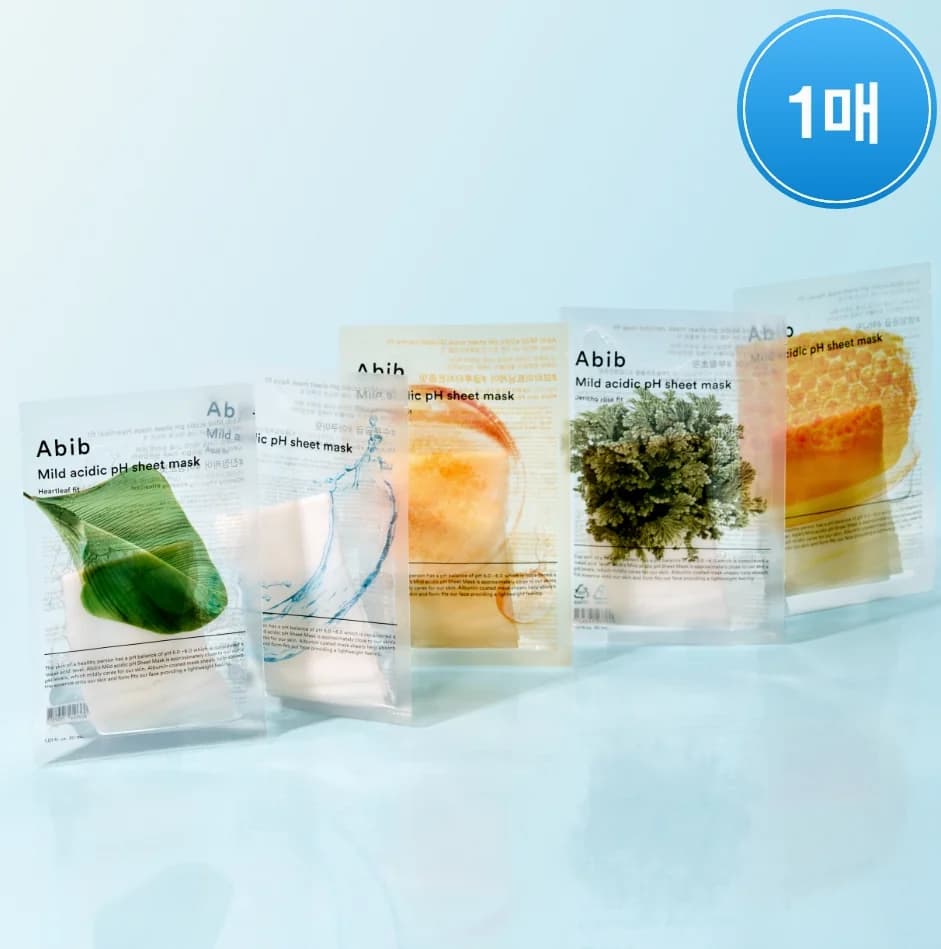
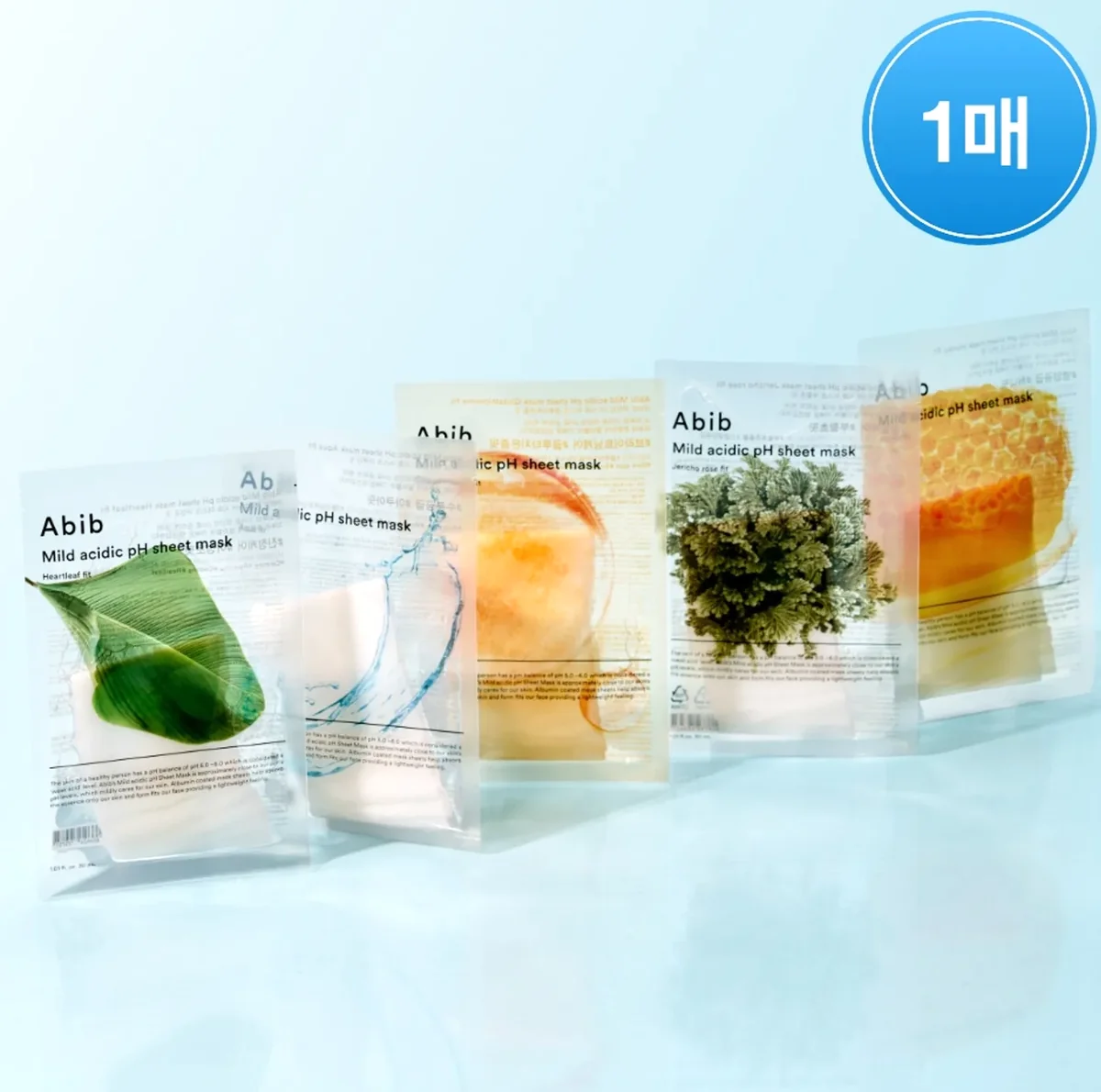
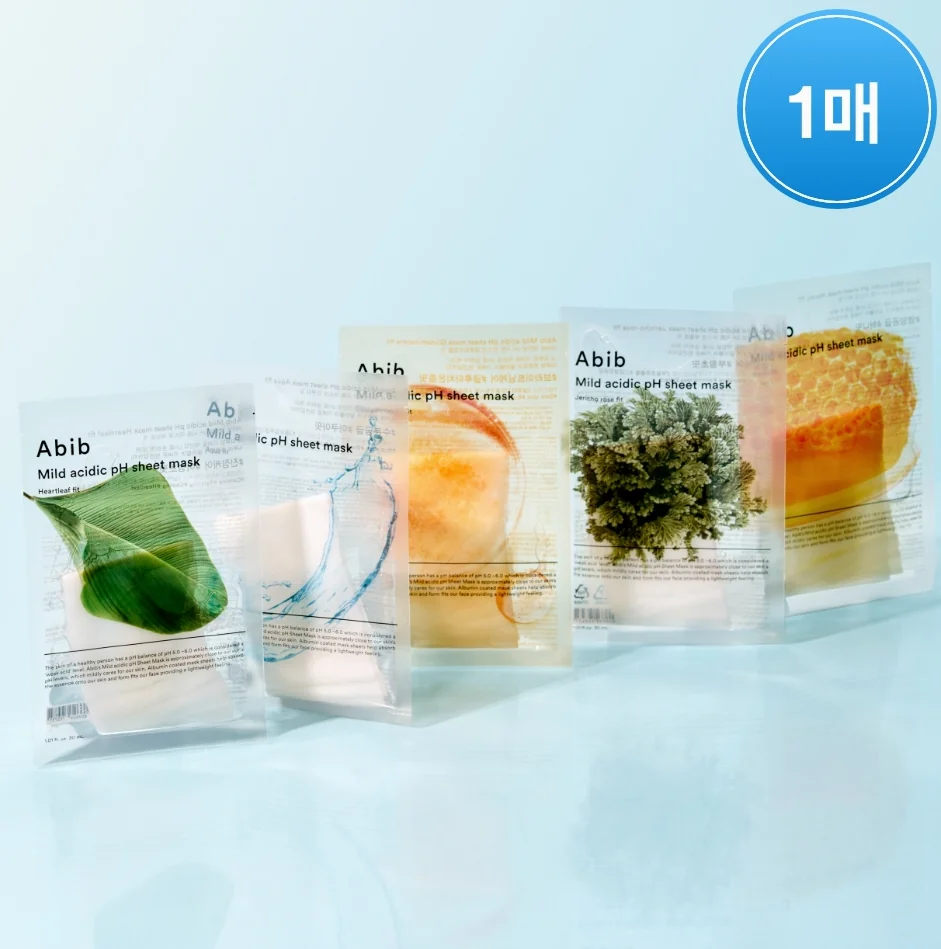
Walking through the aisles of Olive Young in Myeongdong, you will notice an entire wall dedicated strictly to low-pH skincare. After testing over 300 products this year as a beauty editor, I consistently return to one specific formula for sensitive skin emergencies. The Abib Mild Acidic pH Sheet Mask line costs exactly ₩4,000 ($3.00) per sheet. Packaged in a minimalist transparent pouch that shows the exact amount of essence inside, it has become an Olive Young bestseller for a very specific reason: it genuinely respects the skin's acid mantle.
However, not all five variations are created equal. While the Heartleaf version provides immediate sensitive skin relief, the Honey variation feels noticeably heavy and left a sticky residue on my combination skin. If you are aiming for that coveted glass skin finish, understanding which formulation matches your specific skin barrier needs is crucial. Here is my detailed breakdown of these masks, how they compare to other viral K-beauty options, and whether they justify the premium price tag.
What makes a low-pH sheet mask effective for sensitive skin?
A low-pH mask maintains a pH 5.5 balance, which mirrors the skin's natural acid mantle to prevent irritation. This slightly acidic environment helps active ingredients absorb better while providing relief without disrupting the barrier.
The 10-step korean beauty routine is largely a myth that Western beauty media invented. Most Korean women use 4-5 well-formulated products. The real difference is the skin layering technique: applying products from thinnest to thickest consistency. Sheet masks fit perfectly into this philosophy. What makes this specific line stand out in the crowded korean skincare market is the Albam sheet technology. This proprietary Bamboo and Albumin fabric actually shrinks slightly as the essence absorbs into your face. This shrinking effect tightens the mask against your contours, forcing the essence into the skin rather than letting it evaporate.
From my experience testing hundreds of korean cosmetics, a mask's fabric is just as important as its essence. If the material cannot hold the liquid or adhere properly to the jawline, even the most expensive ingredients will simply drip away.
Analyzing the 5 Variations: Which one fits your routine?
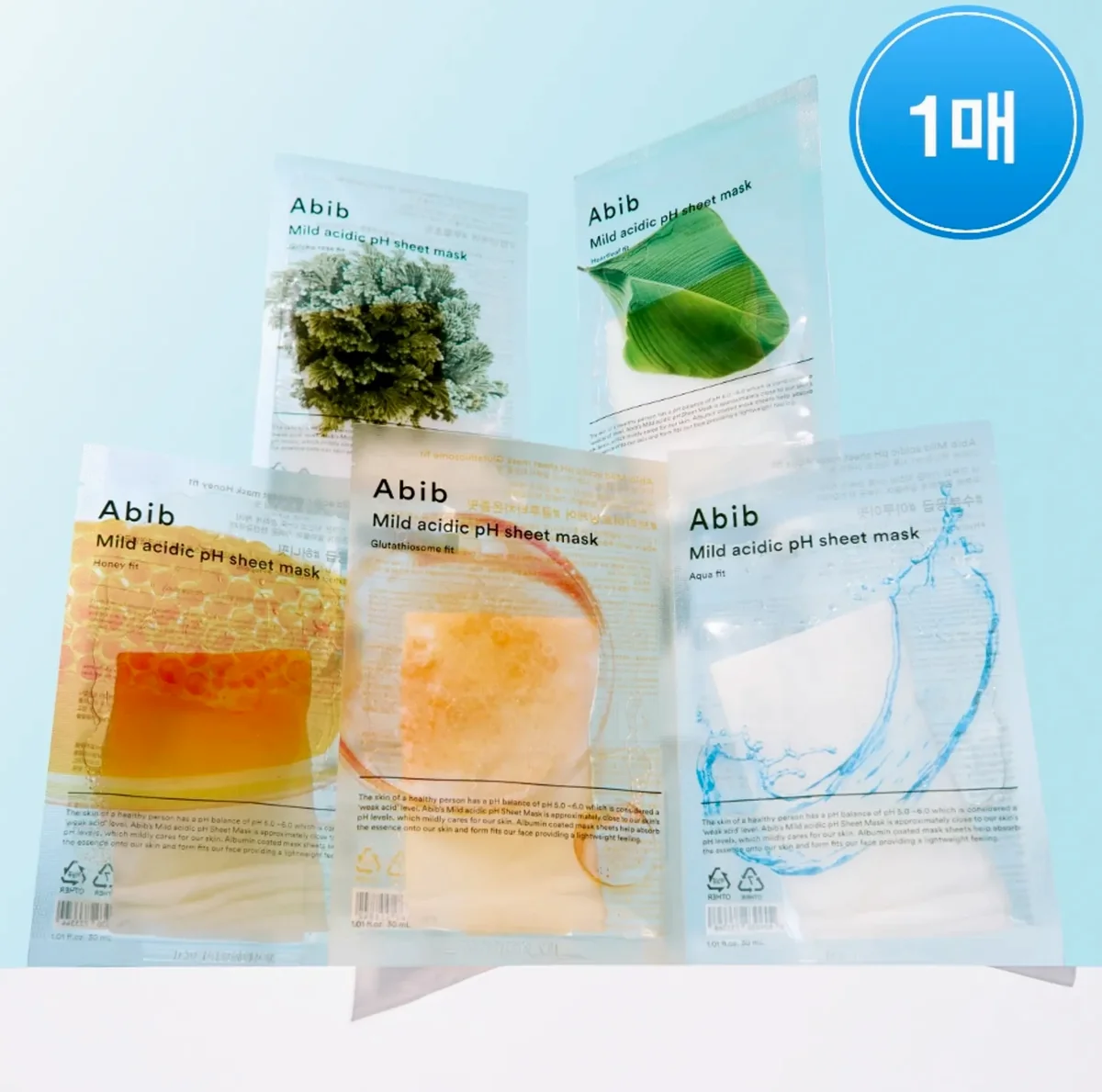
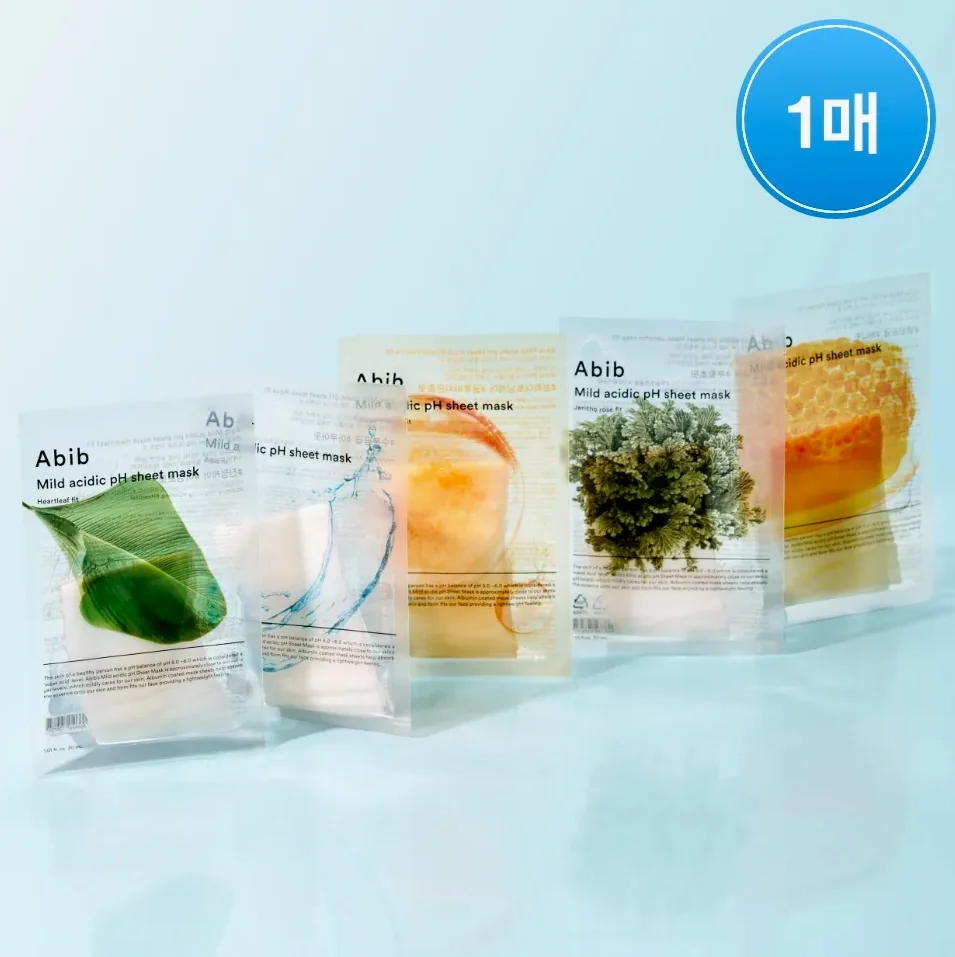
The five variations target different concerns: Heartleaf for calming, Jericho Rose for nourishment, Aqua for hydration, Glutathione for brightening, and Honey for deep nutrition. Choosing the right one depends entirely on your specific skin type and daily environment.
| Variation Type | Key Ingredient Focus | Best For | My Verdict |
|---|---|---|---|
| Heartleaf Fit | Houttuynia Cordata extract | Acne-prone, irritated skin | Excellent. Reduces redness within 20 minutes. |
| Jericho Rose | Anastatica Hierochuntica | Dry, aging skin | Very good. Milky essence that plumps effectively. |
| Aqua | Hyaluronic Acid hydration | Dehydrated, dull skin | Solid basic. Good for morning prep before makeup. |
| Glutathione | Glutathione brightening | Uneven tone, dark spots | Average. Needs consistent use to see real results. |
| Honey | Propolis and Honey nutrition | Extremely dry, winter skin | Too heavy. Leaves a tacky finish on combination skin. |
The Viral Calming Option: Heartleaf Fit
The Heartleaf Fit mask uses Houttuynia Cordata extract to quickly lower skin temperature and calm inflammation. It is highly effective for acne-prone skin dealing with active breakouts, especially after sun exposure.
Heartleaf (Houttuynia Cordata) has dominated korean skincare products for the last three years. You have likely seen the Anua Heartleaf 77% Soothing Toner, which became a massive TikTok viral K-beauty sensation in early 2024. While Anua's toner is fantastic for daily wiping, this sheet mask delivers a concentrated dose that forces the ingredient into the skin. When my skin feels heated or irritated from testing too many chemical exfoliants, this mask provides immediate redness reduction. It has also undergone rigorous non-comedogenic testing, meaning the essence will not clog your pores even if you leave it on for the maximum 20 minutes.
Deep Moisture: Jericho Rose and Aqua
The Jericho Rose essence utilizes Anastatica Hierochuntica to lock in moisture, while the Aqua version relies on multi-molecular weight hyaluronic acid. Both provide immediate plumping effects for dehydrated skin, though the textures differ significantly.
The Jericho Rose variation features a milky, creamy essence. Anastatica Hierochuntica is a desert plant known for surviving extreme droughts, and in skincare, it excels at skin barrier repair. On the other hand, the Aqua version is entirely clear and watery. I frequently recommend the Aqua version to readers buying Stylevana skincare hauls because it is a universally safe hydrating option that layers beautifully under makeup.
How to incorporate sheet masks into the Korean beauty routine
Sheet masks should be applied after toner and lightweight liquid essences, but before heavy serums and moisturizers. This follows the standard layering rules to ensure the mask's essence can penetrate effectively.
Many international readers ask me about the famous 1 day 1 pack method (using one sheet mask every single day). While popular in Seoul during harsh, dry winters, I do not recommend doing this with ₩4,000 ($3.00) masks. It becomes prohibitively expensive. Instead, use these premium low-pH masks 1-2 times a week for targeted treatment.
- Step 1: Cleanse thoroughly with a low-pH gel cleanser.
- Step 2: Apply a watery toner to balance the skin and open hydration pathways.
- Step 3: Apply the sheet mask and leave on for 15-20 minutes. Never let it dry completely on your face.
- Step 4: Remove the mask and gently pat the remaining essence.
- Step 5: Seal everything in with a moisturizer containing Niacinamide and Panthenol.
Honest Pros and Cons: Are they worth the price?
At ₩4,000 ($3.00) per sheet, these masks offer excellent ingredient quality and adherence, but the price adds up quickly for regular use. The fabric fit is exceptional, though the richer formulas can leave an unwanted tacky residue.
When comparing this to the classic Mediheal Tea Tree Care Solution mask, which often sells for ₩2,000 ($1.50) per sheet, the price difference is noticeable. The Mediheal mask is excellent for basic acne care, but the Albam sheet technology used here genuinely feels softer and adheres much better around the nose and mouth. However, I have to be honest about the Honey variation. While propolis is fantastic for the skin, this specific honey essence is incredibly sticky. I had to wash my face after using it because my hair kept sticking to my cheeks, completely ruining my korean sheet mask routine experience that evening.
Frequently Asked Questions
Here are the most common questions I receive about using low-pH sheet masks in a daily routine. Understanding application times and frequencies helps maximize the benefits without wasting product.
Q: Can I use the Heartleaf mask every day?
A: While the pH 5.5 balance makes it safe for daily use, it is completely unnecessary. Using it 2-3 times a week is more than enough to maintain a calm skin barrier.
Q: Should I wash my face after removing the mask?
A: No. The remaining essence is meant to be absorbed. If it feels too heavy (like the Honey version often does), gently wipe the excess away with a toner pad rather than washing it off completely.
Q: Why does the mask feel tighter after 10 minutes?
A: That is the Albam (Albumin + Bamboo) fabric working. As the essence transfers to your skin, the albumin fibers contract, which helps push the remaining ingredients deeper into the epidermis.
What has been your experience with Heartleaf products? Let me know in the comments if you prefer toners, serums, or sheet masks for calming irritation.
Sources
Mia Yoon
Seoul-based beauty editor covering Korean skincare for international readers. Tests 300+ products per year across Olive Young and Stylevana.