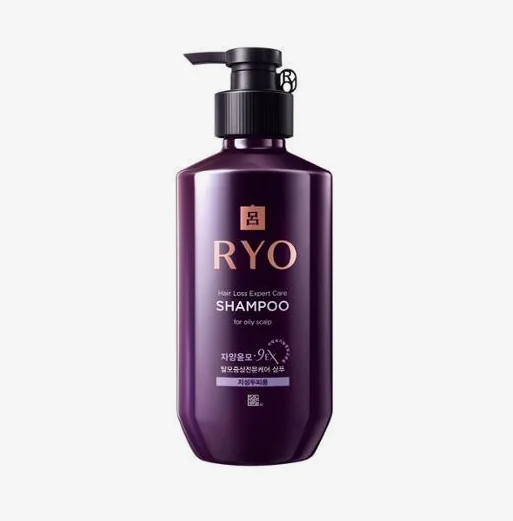
Walking through the hair care aisle at the Myeongdong Olive Young last Tuesday, I noticed a distinct shift in how Seoul locals shop. While international tourists still flock to the skincare section chasing glass skin, Korean women are quietly stocking up on functional hair care. I picked up a 400ml bottle of a famous traditional herbal shampoo specifically formulated for oily scalps. At ₩16,000 ($11.85) locally, it is a staple in the korean beauty routine that rarely gets the same global hype as korean cosmetics. After testing over 300 korean skincare products and hair formulas this year, I spent the last 28 days evaluating this specific hanbang medicine-based wash.
It effectively manages daily oil production while delivering targeted hair follicle nutrition, though the intensely earthy scent requires an adjustment period. If you struggle with mid-day grease and are actively looking for thinning hair solutions, this detailed breakdown covers exactly how it performs. Just as I explain facial layering routines to beginners, I will break down the active ingredients, the texture, and how it compares to other top sellers in the k-beauty space.
What Makes This Herbal Formula Different for Oily Scalps?
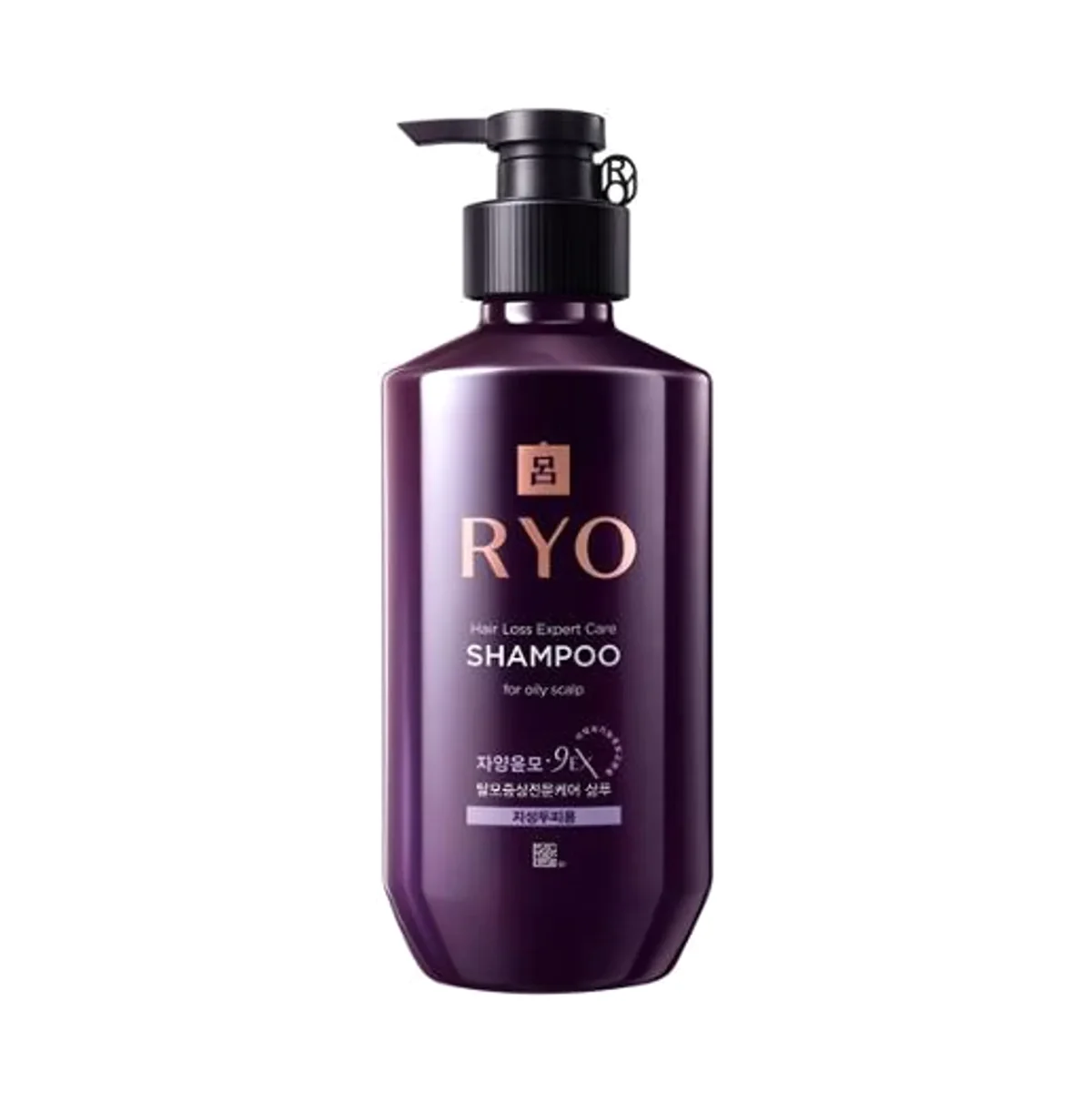

This shampoo utilizes traditional Korean herbal ingredients combined with modern chemical exfoliants to regulate oil production and fortify hair roots. The formula specifically targets excess sebum while preventing premature hair fall through a blend of concentrated plant extracts. Rather than stripping the moisture barrier, it focuses on maintaining an optimal scalp environment.
The foundation of this product relies heavily on hanbang medicine principles. When we look at the Olive Young hair care rankings, products featuring Ginseng extract consistently hold the top 5 positions. The reason is simple: Ginseng saponins are highly effective at stimulating blood circulation when massaged into the skin. A direct KRW to USD pricing comparison shows that getting these premium extracts in Western brands often costs upwards of $40, making this ₩16,000 ($11.85) option incredibly cost-effective.
Based on the official product designation, this formula is specifically classified for Hair Strengthening Care, moving beyond basic cleansing to address structural follicle integrity. During my four-week trial, I noticed two primary benefits that align with the brand's clinical claims:
- Scalp oil control
- Enhanced hair strength
Analyzing the Active Ingredient Profile
The ingredient list relies on a concentrated ginseng root extract alongside salicylic acid for scalp exfoliation. This combination effectively dissolves hardened sebum while stimulating the hair follicles. It bridges the gap between traditional herbal remedies and modern dermatological science.
Much like how we use BHAs in korean skincare to clear facial pores, the inclusion of Salicylic acid for scalp care is crucial for a true sebum-regulating formula. It performs a gentle scalp scaling action with every wash, removing dead skin cells that can block hair growth. Additionally, the peppermint oil cooling effect provides immediate relief from heat and itchiness, which is a common trigger for excess oil production. To ensure the product maintains proper scalp pH balance, it avoids harsh sulfates that typically cause rebound oiliness.
| Formulation Aspect | Technical Detail |
|---|---|
| Primary Herbal Active | Ginseng Root Extract (High Saponin Content) |
| Chemical Exfoliant | Salicylic Acid (BHA) |
| Targeted Concern | Excess Sebum & Premature Thinning |
My 28-Day Experience and Application Tips
Using this shampoo daily for four weeks noticeably reduced my afternoon scalp oiliness and improved root volume. However, the thick, gel-like texture requires careful emulsification in your hands before applying it directly to the roots. Applying it straight to the head makes it difficult to rinse out completely.
My scalp usually looks visibly greasy by 3 PM, especially during humid Seoul summers. By day 12 of using this formula, I realized I could comfortably make it to 8 PM without my bangs sticking to my forehead. The scalp sebum control is genuinely impressive. I also noticed less hair in the drain catch, which speaks to its hair loss prevention capabilities. However, I must share two honest drawbacks. First, the scent is intensely herbal—it smells exactly like a traditional medicine clinic in Insadong. The aroma lingers for about three hours. I solve this by applying a lightly floral hair essence only to my ends. Second, because it is so focused on oil control, it can leave the mid-lengths feeling slightly stiff.
To maximize the benefits, I highly recommend adopting the double cleansing scalp method. Just as you would use a cleansing balm followed by a water-based cleanser for your face, a proper K-beauty hair routine benefits from a two-step approach. I use a dime-sized amount for a quick 30-second initial wash to break down surface oils, rinse, and then use a quarter-sized amount for a thorough 2-minute massage.
How It Compares to Other Bestsellers
Compared to its main competitors, this herbal formula offers stronger oil control but slightly less hydration for the hair ends. It sits firmly in the middle price tier among functional scalp treatments, offering excellent value for its specific use case.
When tracking the Hwahae beauty rankings (Korea's top ingredient analysis app), this product frequently battles with other heavyweights. Here is how it stacks up against alternatives I have tested:
- Aromatica Rosemary Root Enhancer: Priced at ₩18,000 ($13.30). This went viral on Reddit's r/AsianBeauty last year. It is fantastic for daily scalp stimulation and features a much more pleasant, spa-like scent. However, for sheer oil control and dandruff relief, the ginseng formula performs noticeably better.
- Dr.FORHAIR Folligen Shampoo: Retails around ₩22,000 ($16.30). This is a giant in the caffeine-infused hair care space. I find Dr.FORHAIR to be slightly more hydrating and better suited for sensitive scalps, but it lacks the intense cooling sensation that oily scalps crave in the morning.
- Daeng Gi Meo Ri Ki Gold: Costs about ₩15,000 ($11.10). This is the original hanbang classic. While both use traditional herbs, the newer formulation of the Ryo professional line feels less heavy and provides significantly better root volume after blow-drying.
Final Verdict on This Functional Wash
This herbal shampoo is highly effective for individuals dealing with excessively oily scalps and mild hair thinning concerns. Those with dry, bleached, or heavily chemically treated hair should likely look for a more moisturizing alternative, or ensure they use a rich deep conditioner on their ends.
If your primary goal is extending the time between washes while supporting long-term follicle health, this is a highly functional addition to your bathroom shelf. The initial shock of the medicinal scent is a small trade-off for the actual results it delivers in terms of volume and oil management. Drop your current scalp care routine in the comments below—I am curious how many of you have made the switch to herbal formulas!
Frequently Asked Questions
Does Ryo Professional Hair Strengthening Care Shampoo help with hair loss?
Yes, Ryo Professional Hair Strengthening Care Shampoo is specifically formulated for hair loss prevention by using functional hair care ingredients that strengthen the hair from the root. The high concentration of Ginseng extract stimulates blood circulation in the scalp, while the formula works to clear clogged pores. This is a vital step in a Korean beauty routine for those wanting to maintain hair density. By focusing on scalp health, the shampoo reduces breakage and ensures that hair follicles receive the nutrition needed to grow thicker and stronger over time.
How often should you use Ryo Professional Hair Strengthening Care Shampoo for an oily scalp?
You should use this shampoo daily or every other day to maintain effective scalp sebum control and prevent oil buildup. Because it is a functional hair care product designed for oily environments, it removes excess grease without causing the rebound oiliness often seen with harsher cleansers. For the best results, massage the lather into your scalp for three minutes to allow the herbal extracts to penetrate. This practice mirrors the thoroughness of a Korean skincare routine, ensuring your scalp remains balanced and fresh between washes.
Is Ryo Professional Hair Strengthening Care Shampoo for oily scalp worth it?
Yes, this shampoo is highly worth it for anyone seeking professional-grade treatment for scalp sebum control and hair loss prevention at an affordable price. While international fans of K-beauty often focus on achieving glass skin, this shampoo offers the same high-standard results for hair health. A 400ml bottle provides excellent value, as its concentrated formula requires only a small amount per wash. Compared to standard hair cosmetics, the use of traditional Hanbang medicine and Ginseng extract makes it a superior choice for managing problematic, oily scalps.
When to see Ryo Professional Hair Strengthening Care Shampoo results?
You will typically see an immediate improvement in scalp oiliness after the first wash, while hair strengthening and hair loss prevention benefits usually take four to six weeks of consistent use. Like most high-quality Korean skincare products, the formula relies on cumulative benefits from ingredients like Ginseng extract. Within a month, the scalp environment becomes more balanced, and you will notice less hair fallout during brushing. Regular use as part of your hair care routine ensures the follicles remain nourished, leading to visibly healthier and more resilient hair.
Ryo Professional Hair Strengthening Care Shampoo vs regular shampoo: which is better?
Ryo Professional Hair Strengthening Care Shampoo is better for those with specific scalp concerns because it is a functional hair care product, unlike basic shampoos that only provide surface cleaning. While regular shampoos often use heavy silicones that can worsen an oily scalp, this K-beauty staple uses Ginseng extract to treat the root cause of thinning and excess sebum. It bridges the gap between hygiene and treatment, making it a more effective tool for those who prioritize long-term hair health and scalp balance over temporary fragrance or smoothing effects.
Sources
Mia Yoon
Seoul-based beauty editor covering Korean skincare for international readers. Tests 300+ products per year across Olive Young and Stylevana.