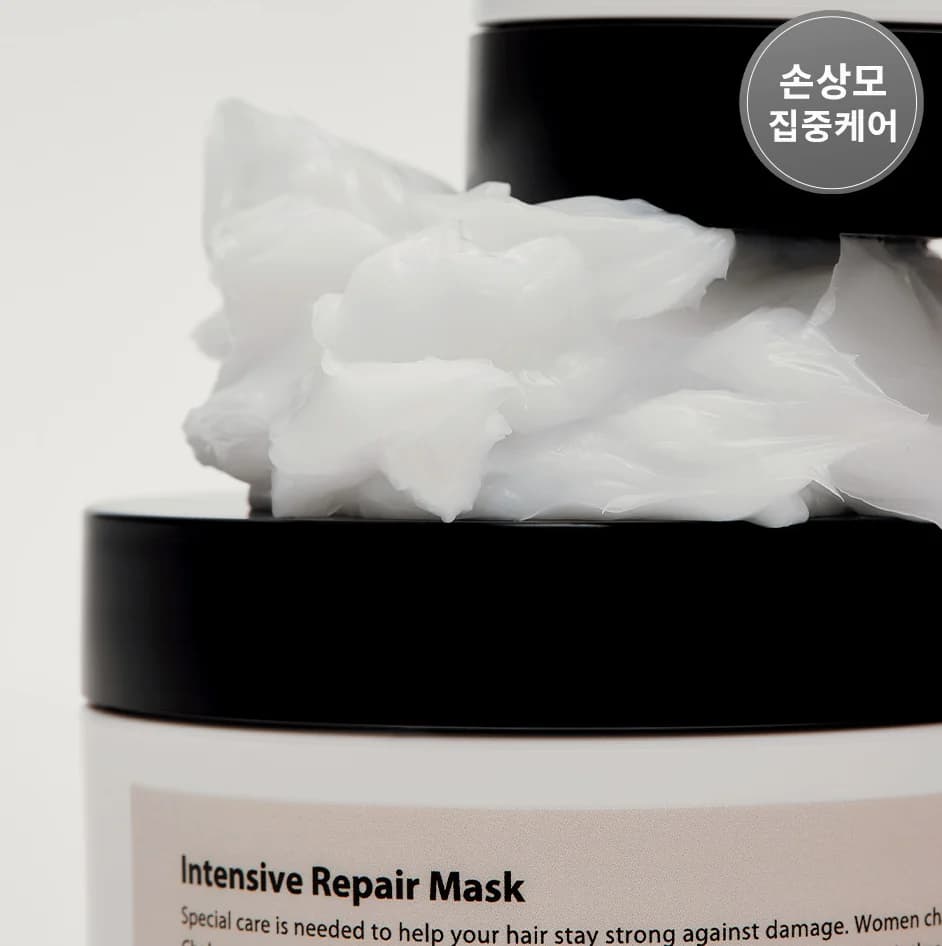
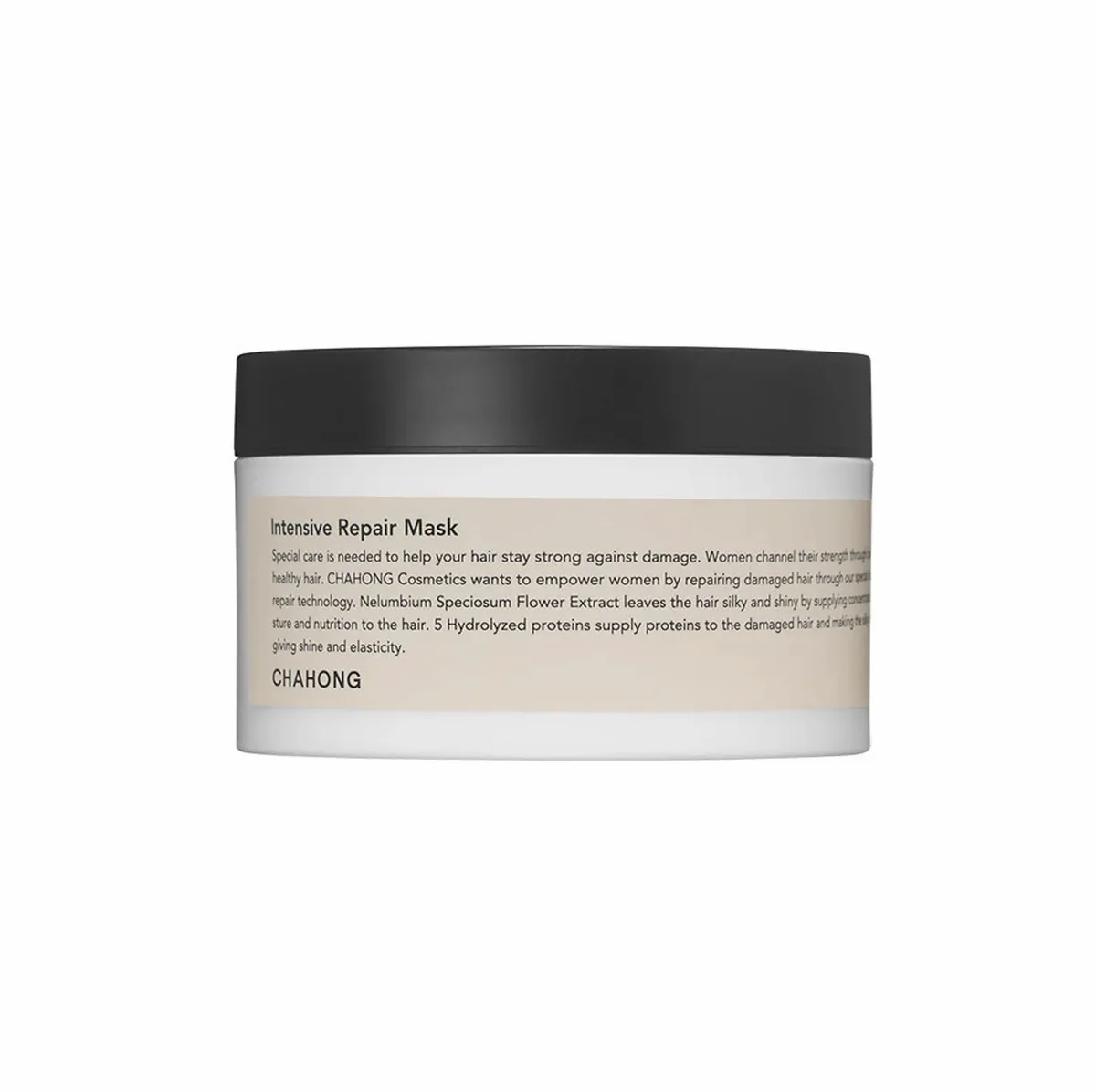
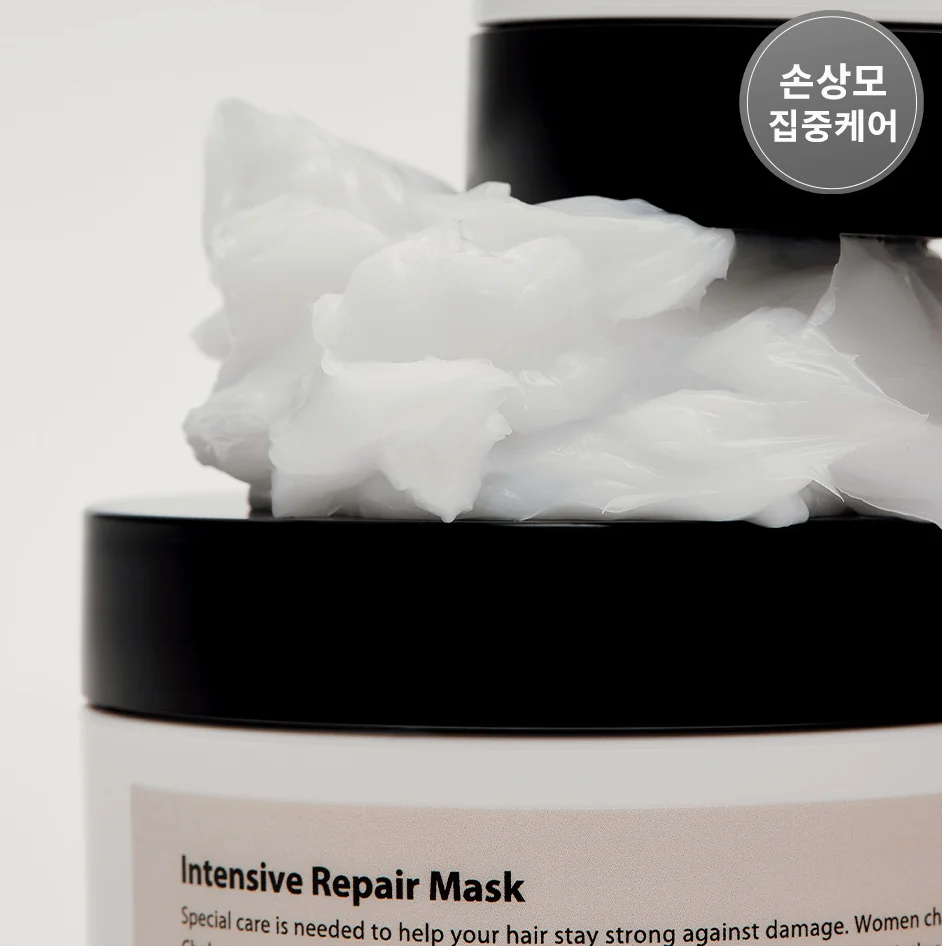
Professional Hair Repair at Home: My Experience with Salon-Grade Treatments Achieving the soft, lustrous texture associated with Korean glass hair does not require a trip to a high-end Cheongdam-dong hair clinic. In my seven years as a Seoul-based beauty editor, I have found that integrating a high-performance hair mask—specifically one utilizing a Phytokeratin complex—can bridge the gap between salon results and a standard Korean beauty routine. I personally tested the Chahong Intensive Repair Mask, which retails for ₩45,000 ($33.50) at local boutiques and Olive Young. While this price point is higher than entry-level options, the salon-grade ingredients often provide a noticeable improvement in elasticity for heat-damaged strands compared to drugstore alternatives.
Understanding Salon-Grade Hair Care
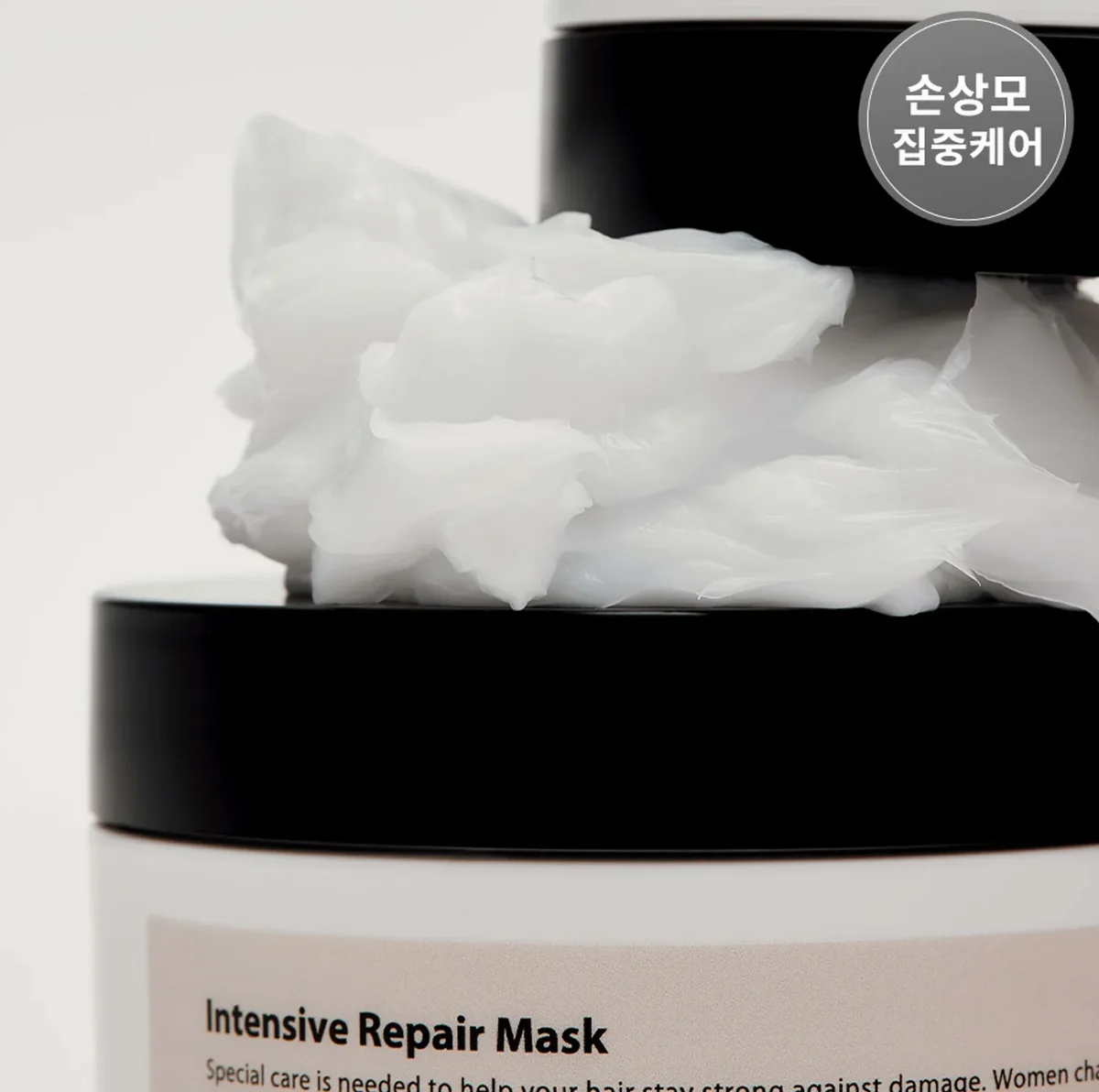
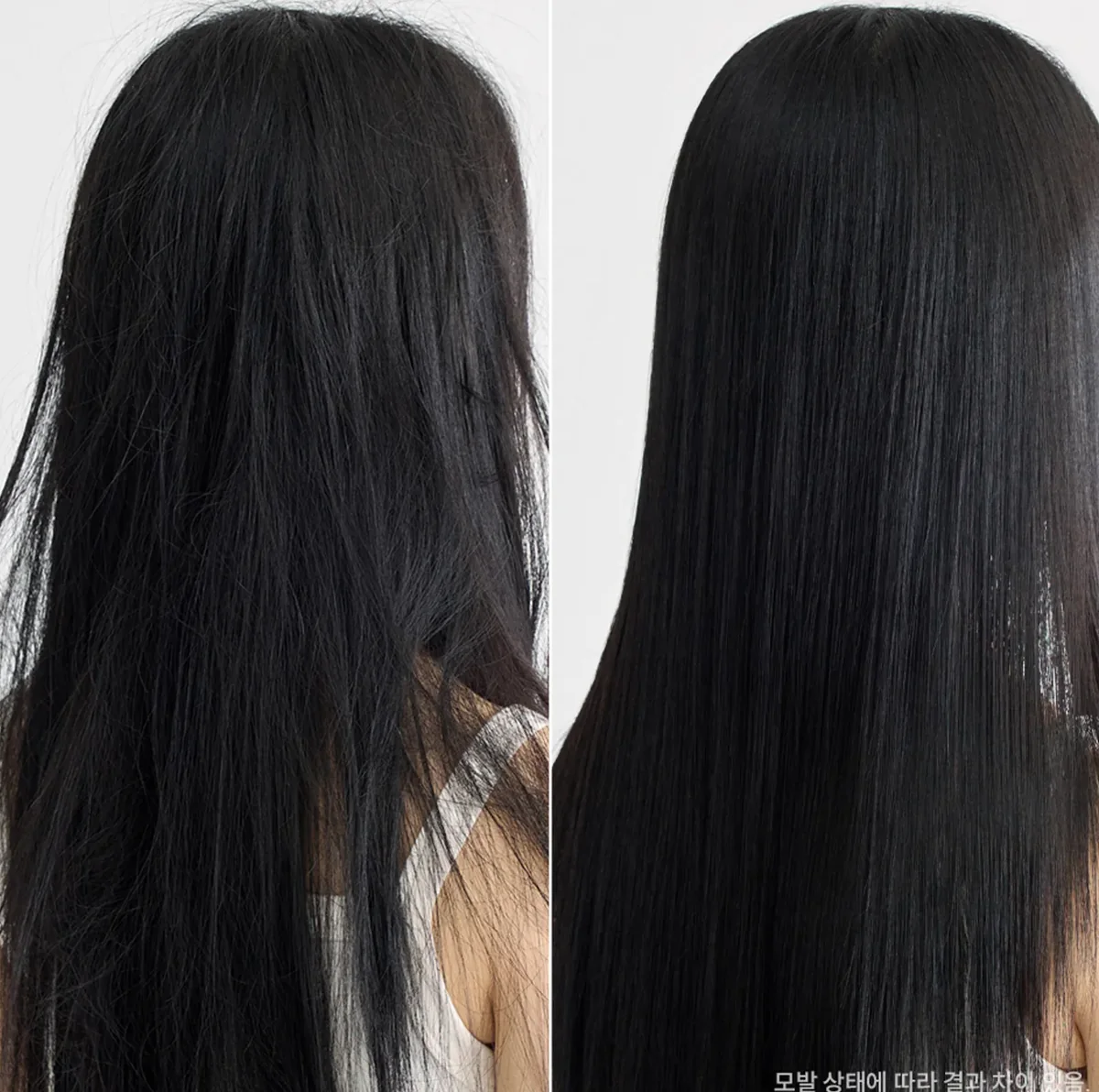
Salon-grade hair care relies on advanced molecular bonding and protein-rich formulas to mimic professional treatments. By focusing on active ingredients like hydrolyzed silk protein and amino acids, these products effectively seal the cuticle for a smoother finish.
Why Protein Treatments Matter for Damaged Hair
Protein treatments are essential because they fill the gaps in the hair shaft caused by chemical processing or frequent heat styling. Products featuring a Phytokeratin complex, such as the Intensive Repair Mask, provide the structural integrity necessary to restore bounce and shine to brittle, over-processed hair.
Comparing Popular Korean Hair Masks
Choosing the right treatment depends on your specific hair needs, whether that is intense hydration or structural protein repair. While the Chahong mask focuses on deep protein nourishment, other viral products like the UNOVE Deep Damage Treatment EX or Moremo Water Treatment 10 offer different textures and application methods.
Market Alternatives and Performance
The UNOVE Deep Damage Treatment EX has gained massive popularity on platforms like Stylevana for its ability to detangle coarse hair instantly. In my testing, while the Moremo Water Treatment 10 is excellent for a quick, lightweight boost, the Chahong Intensive Repair Mask remains my preferred choice for a weekly, deep-conditioning session that prioritizes long-term cuticle health over immediate, temporary slip.
FAQ
Q: How often should I use a professional-grade protein mask?A: I recommend using it once or twice a week. Overusing protein-heavy treatments can sometimes make hair feel stiff, so balancing it with a moisture-focused conditioner is key.
Q: Is this product suitable for fine hair?A: Yes, but apply it sparingly from the mid-lengths to the ends. Avoiding the roots helps prevent the product from weighing down fine hair while still protecting against split ends.
Q: Does this mask provide heat protection?A: While it improves hair elasticity and resilience against heat damage, you should always follow up with a dedicated heat protectant spray before using flat irons or blow dryers.
Sources
Mia Yoon
Seoul-based beauty editor covering Korean skincare for international readers. Tests 300+ products per year across Olive Young and Stylevana.