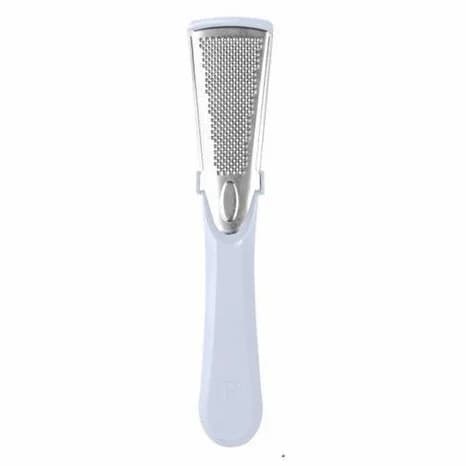
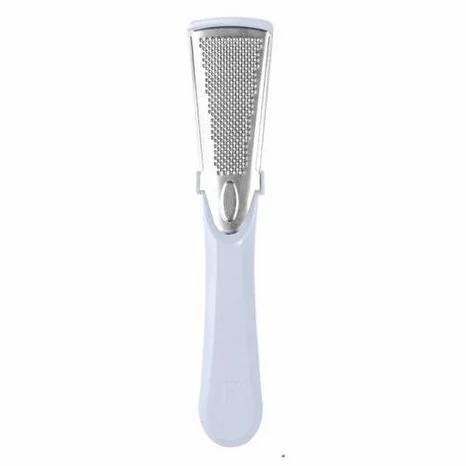
Professional Stainless Steel Callus Remover: My Experience with Korean Beauty Tools Maintaining smooth skin is a fundamental pillar of the Korean beauty routine, extending well beyond facial care to include body maintenance. I recently integrated a high-quality stainless steel callus remover into my weekly self-care regimen to see if it truly achieves the soft, glass skin texture often associated with professional spa treatments. While many people focus on exfoliating acids for the feet, physical removal remains the most effective way to manage thick, hardened skin. At ₩14,500 ($10.80) on Olive Young, this tool is a durable investment compared to disposable pumice stones that harbor bacteria over time. In this review, I will share my personal results, discuss how it fits into a broader skincare strategy, and provide honest feedback on the potential downsides of manual exfoliation.
Why Use Stainless Steel for Foot Care?
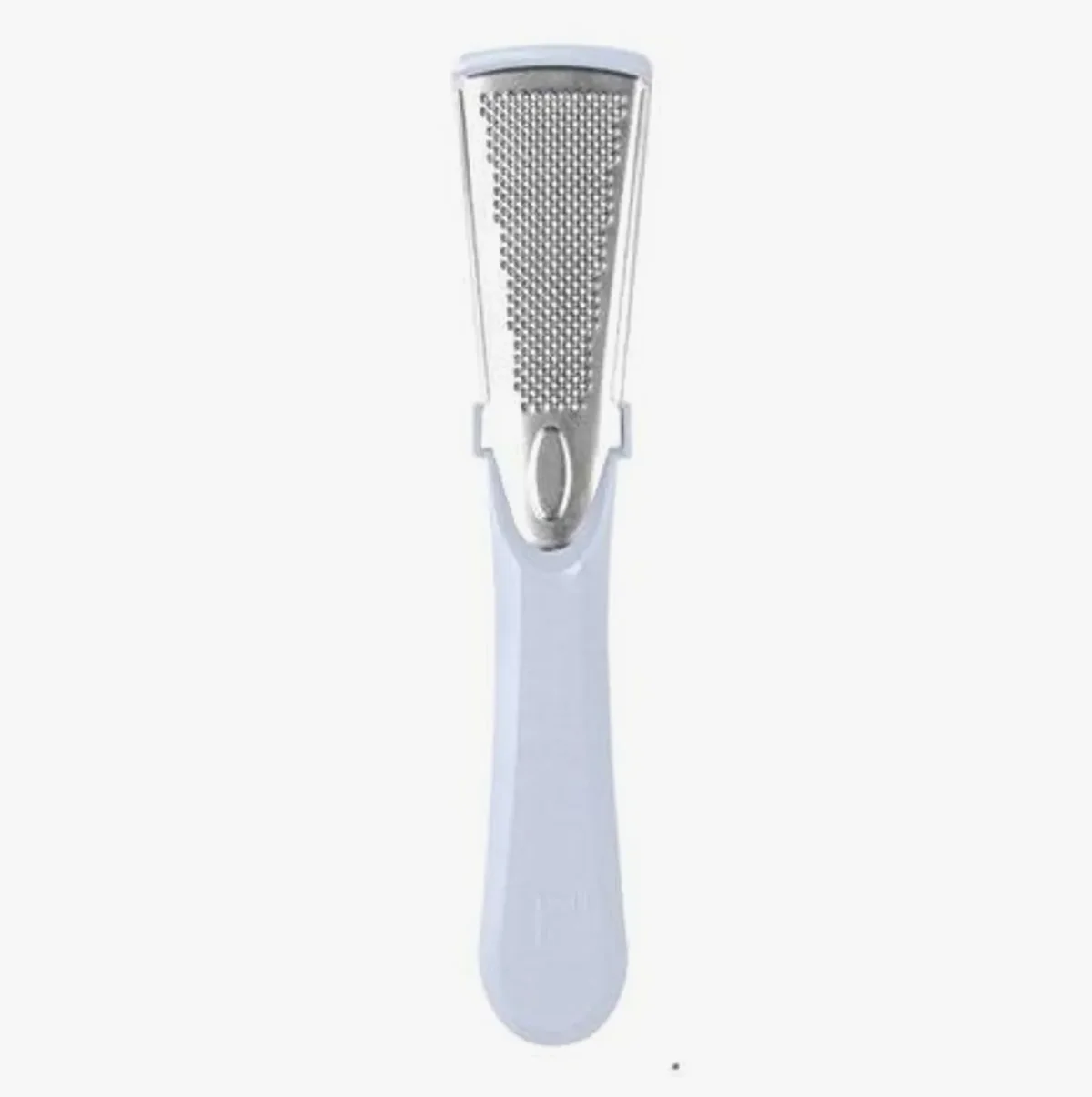
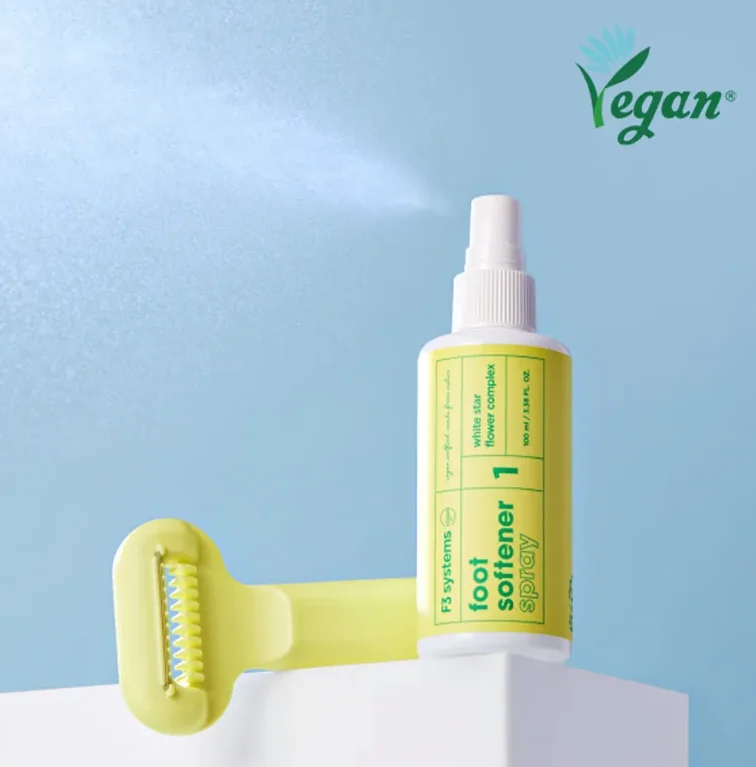
Stainless steel callus removers offer superior hygiene and precision compared to porous alternatives like volcanic rock or synthetic sponges. Because the material is non-porous, it can be sanitized with alcohol after every use, which is essential for preventing fungal growth in damp bathroom environments.
Benefits of Medical-Grade Steel
Medical-grade stainless steel allows for a closer, more controlled removal of dead skin cells without the risk of irritation common with abrasive scrubs. Many enthusiasts of Korean cosmetics appreciate this tool because it provides immediate, visible results that complement the hydrating effects of foot creams containing urea or shea butter.
How to Incorporate This Tool Safely
Effective usage requires a measured approach to avoid over-exfoliation, which can trigger the body to produce thicker skin in response. I typically limit my use to once every 7 to 9 days, ensuring that my skin is slightly damp but not waterlogged, as this provides the best grip for the blades.
My Routine for Best Results
I start by soaking my feet in warm water for about 12 minutes, then gently glide the tool over callused areas using light, rhythmic strokes. After removing the dry skin, I immediately apply a thick layer of a ceramide-rich moisturizer to lock in hydration, mimicking the layering techniques I use in my daily facial routine.
Common Concerns and Limitations
The primary downside of using a stainless steel callus remover is the learning curve; applying too much pressure can easily cause micro-cuts or tenderness. If you have very sensitive skin or diabetes, I recommend consulting a professional before attempting manual removal at home, as the risk of infection is higher for certain health profiles.
Comparison to Alternatives
While chemical peels—often featuring AHA or BHA ingredients—are popular in the market, they can take up to 7 days to show results. The stainless steel tool provides an instant fix for stubborn patches, though it lacks the deep, systemic exfoliation that liquid acids provide. I personally use the tool for immediate maintenance and follow up with a chemical foot mask once every 4 weeks to keep the skin turnover consistent.
Frequently Asked Questions
Q: How often should I use a stainless steel callus remover?A: It is safest to use the tool no more than once per week to prevent irritation and allow your skin's natural barrier to recover.
Q: Can I use this on wet feet?A: Using it on slightly damp skin is ideal; however, avoid using it on soaking-wet, soft skin as this makes it difficult to distinguish between dead calluses and healthy tissue.
Q: Is this tool better than a standard pumice stone?A: Yes, in terms of hygiene and durability, as stainless steel does not degrade or trap bacteria like porous pumice stones do.
Sources
Mia Yoon
Seoul-based beauty editor covering Korean skincare for international readers. Tests 300+ products per year across Olive Young and Stylevana.