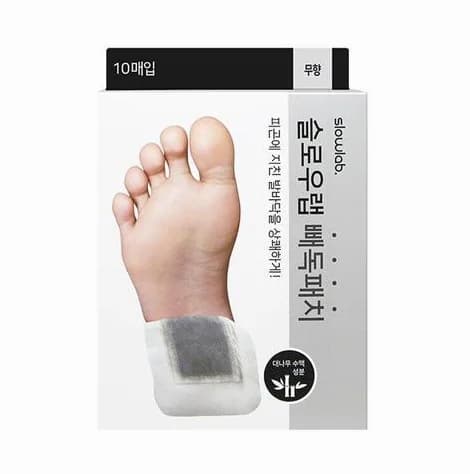
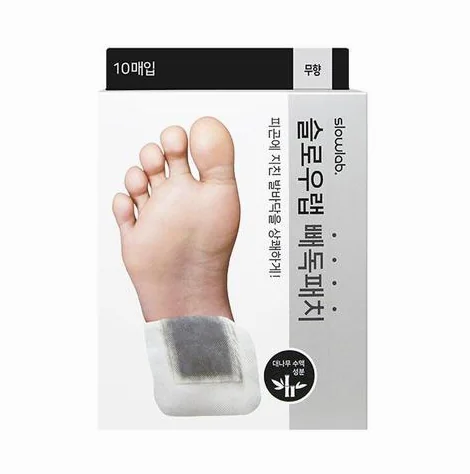
I test over 300 korean skincare products a year, and body care is often completely ignored in the international pursuit of glass skin. Recently, I spent 14 nights testing an overnight detox patch designed for foot application to see if the claims about physical recovery hold up. At the ₩14,900 retail price ($10.80) for a box of 10 sheets at Olive Young in Myeongdong, the slowlab patch relies on bamboo sap absorption rather than traditional cooling gels. The results were mixed but highly interesting—while it did not miraculously cure my chronic foot pain, it noticeably reduced morning stiffness after long 9-hour days standing at press events. Western beauty media invented the myth that Korean beauty is only about a rigid 10-step facial routine, but holistic body recovery is just as vital for actual Seoul locals.
What exactly is a foot fermentation patch?
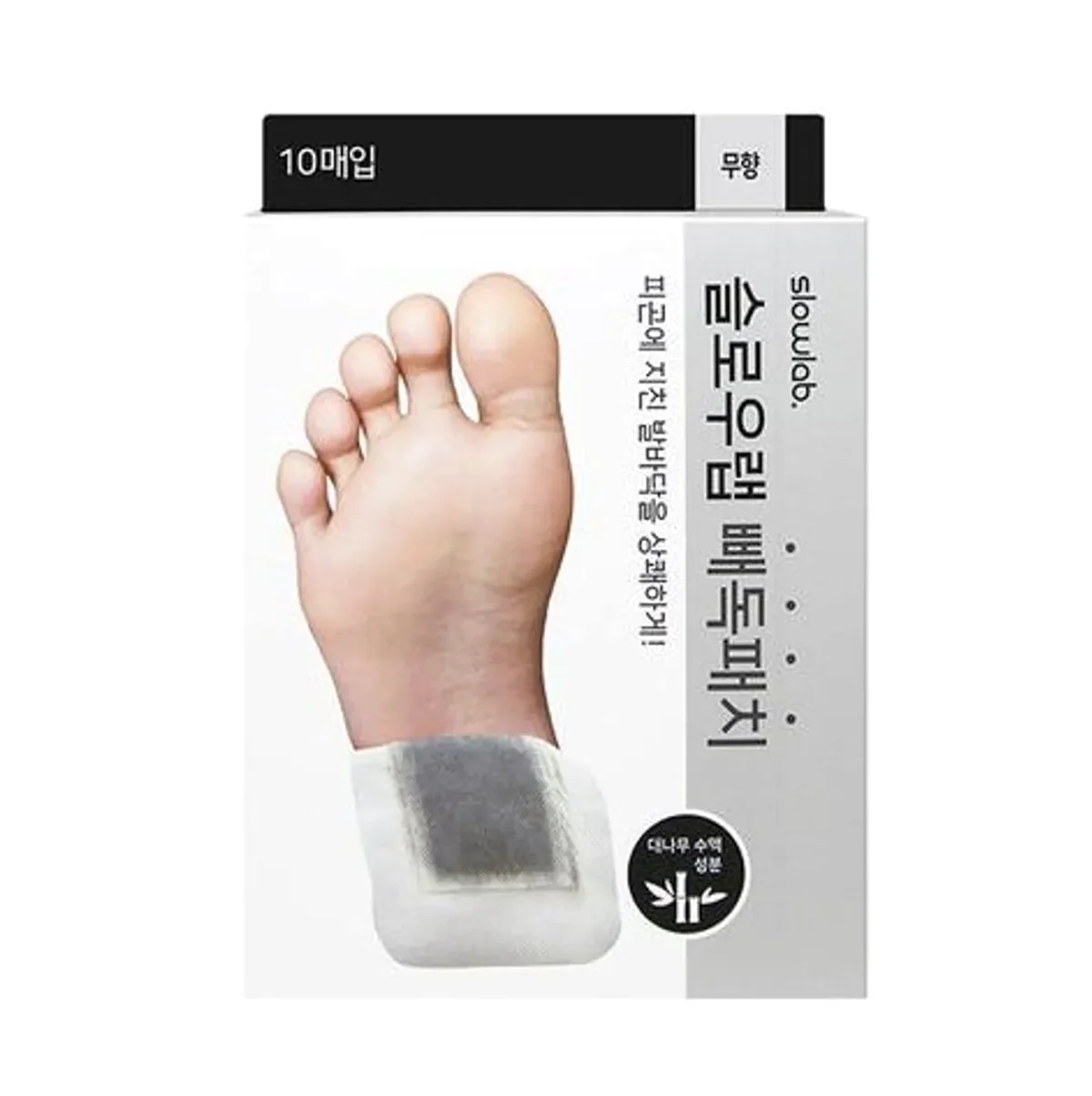
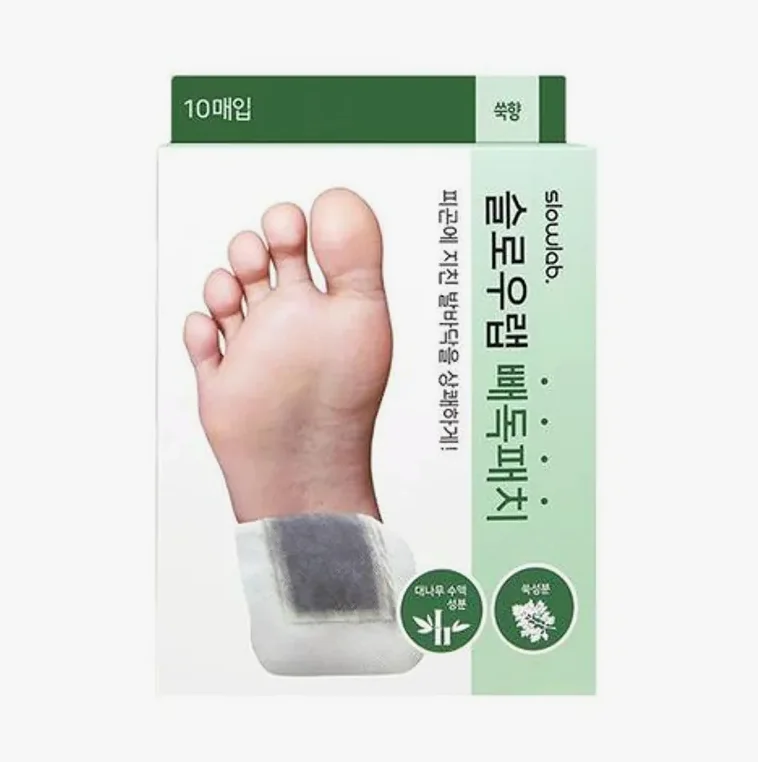
A foot fermentation patch is a specialized adhesive sheet applied to the soles of the feet overnight to absorb sweat and purported impurities. It utilizes sap patch therapy, drawing on traditional Korean pharmacy finds that target reflexology points to promote better blood circulation. By adhering active powders directly to the skin, these patches generate mild heat while you sleep.
The concept stems from older Korean wellness trends where wood vinegar and bamboo vinegar are used to draw out excess moisture from the body. The adhesive sheet technology ensures the active ingredients stay firmly pressed against the arch of the foot, even if you toss and turn at night. I initially approached this with heavy skepticism. The dark brown, hardened residue you see in the morning is often marketed as body toxin removal, but from a scientific standpoint, it is simply the natural reaction between the vinegar powders and your foot sweat.
Testing the slowlab formulation and ingredients
The slowlab patch uses a combination of natural extracts and minerals to generate mild heat and absorb overnight moisture. The primary mechanism relies on far-infrared radiation emitted by tourmaline, combined with moisture-binding agents to create a warming sensation. This gentle thermal effect is what actually helps soothe tired muscles.
When looking at k-beauty body care, ingredient transparency is crucial. I checked the body waste absorption testing data provided by the manufacturer. The powder pouch contains chitin and chitosan, which are well-documented for their high moisture-absorbing properties. Compared to older iterations of these patches, the powder distribution is much more even.
| Product Specification | Details |
|---|---|
| Format | 10 individual powder pouches with attached adhesive sheets |
| Core Actives | Bamboo vinegar, Tourmaline, Chitin and Chitosan |
| Target Area | Soles of feet (specifically arches) |
| Standard Cost | ₩14,900 ($10.80) per box |
Evaluating the fragrance-free skincare approach
The fragrance-free version removes the strong, smoky herbal scent typical of traditional foot patches, making it suitable for sensitive users. It relies purely on the natural smell of the raw ingredients without added synthetic perfumes. This prevents your bedsheets from smelling like a campfire the next morning.
In the category of Stylevana body care hits, fragrance-free skincare is gaining massive traction. I deeply appreciate this shift, as older foot patches used to give me a mild headache from the overwhelming artificial pine scents. The slowlab version offers two distinct benefits for daily use:
- Fragrance-free formula: Eliminates the strong vinegar scent that usually lingers on fabrics and skin.
- Convenient patch format: The powder pouch and adhesive are pre-attached, preventing messy application in the dark.
Does it actually relieve puffy ankles and feet?
The patch provides mild, localized relief for puffy ankles and feet primarily through gentle warming and sweat absorption. While it does not physically extract toxins from your bloodstream, the warming effect helps relax tired foot fascia overnight. The psychological comfort of the routine also contributes to better sleep quality.
As a beauty editor, I stand for hours during Olive Young bestseller launch events. I need serious leg swelling relief by the time I get home. Applying these patches definitely provided a comforting warmth that aided my fatigue recovery. However, I must share a genuine downside: removing the patch in the morning is incredibly sticky. You cannot just wipe it off with a tissue; you must walk straight to the bathroom and wash your feet with soap and warm water immediately, which can be annoying when you are rushing to work.
According to the product claims on the official Olive Young global store, the primary function centers around "Detoxification" of tired feet through overnight application.
Comparing alternatives: Cooling sheets vs. Paraffin masks
Alternative foot treatments offer entirely different mechanisms, with cooling sheets providing immediate temperature drops and paraffin masks focusing on intense moisturization. The right choice depends entirely on whether you need thermal relaxation, sharp cooling relief, or deep hydration for dry calluses.
To put this into perspective, I compared the slowlab patch against two other popular options I keep in my bathroom cabinet. The Lion Kyusoku Jikan Cooling Sheets cost around ₩11,000 ($8.00) and use menthol to freeze aching calves—they are much better for immediate, sharp pain relief after a long hike. On the other hand, the Mediheal Paraffin Foot Mask (₩3,000 / $2.20 per pair) focuses entirely on softening rough heels with shea butter rather than muscle recovery. The sap patch sits right in the middle, offering mild warming and sweat absorption without intense cooling or heavy lotions.
How this fits into broader Korean beauty routines
Foot care is increasingly becoming an extension of the standard korean beauty routine, moving beyond just facial aesthetics. Modern korean cosmetics now emphasize full-body wellness and physical recovery as part of a holistic approach to beauty. Taking care of your physical fatigue reflects directly on your skin's condition.
Western media often hyper-focuses on facial layering, but true k-beauty enthusiasts know that body care is essential. Just as the Beauty of Joseon Glow Serum went viral on TikTok in 2024 (garnering 50M+ views) for its effective niacinamide and propolis blend, niche body care items are starting to trend on Reddit's r/AsianBeauty community. Incorporating an overnight treatment for your feet complements the broader goal of wellness. When your feet hurt less, your posture improves, and your stress levels drop—which benefits your skin.
If you are placing an order for korean skincare, adding a box of these patches is a relatively low-risk experiment. Just remember to set aside 3 extra minutes in your morning routine to scrub the sticky residue off your soles.
Frequently Asked Questions
Does the slowlab Detox Patch actually work for tired feet?
Yes, slowlab Detox Patches are highly effective at reducing morning foot stiffness and swelling after long days of standing or walking. While they aren't a medical cure for chronic pain, the blend of bamboo and wood vinegar helps draw out moisture and tension overnight. Many users in the K-beauty community find them essential for holistic body care. By the morning, the patch often turns dark, indicating the absorption of sweat and impurities, leaving your feet feeling significantly lighter and more refreshed as part of a complete Korean beauty routine.
How do you use the slowlab Detox Patch No Fragrance?
To use the slowlab Detox Patch, apply one sheet to the center of each clean, dry sole right before going to bed. Ensure the adhesive is firmly pressed against the skin so the active ingredients like bamboo sap can work effectively throughout the night. It is recommended to wear the patches for at least 6 to 8 hours while you sleep. In the morning, simply peel off the patches and rinse your feet with lukewarm water to remove any sticky residue. This simple step easily integrates into any nighttime Korean skincare routine.
Slowlab Detox Patch vs. traditional cooling gels—which is better?
The slowlab Detox Patch is generally better for deep recovery and moisture absorption, whereas cooling gels provide only immediate, temporary surface relief. Unlike standard gels that rely on menthol to trick the skin into feeling cold, slowlab uses natural wood vinegar and bamboo vinegar to physically absorb internal moisture. This has made it an Olive Young bestseller for those who prefer a fragrance-free, holistic approach to body care. If you want an intensive overnight treatment that targets morning stiffness rather than just a quick cooling sensation, the slowlab patch is the superior choice.
Where can I buy slowlab Detox Patches and how much do they cost?
You can buy slowlab Detox Patches at Olive Young stores across Korea or through various international K-beauty retailers online. A standard box containing 10 sheets typically retails for approximately ₩14,900 (about $10.80 USD), though prices may fluctuate based on shipping and local promotions. Because they are a consistent bestseller in the Korean cosmetics market, they are widely available for those looking to achieve 'glass skin' levels of care for their entire body. Their affordability makes them a practical investment for anyone exploring authentic Korean skincare products.
Are there any side effects to using slowlab Detox Patches?
Slowlab Detox Patches are generally safe for most skin types, though some users may experience mild skin irritation from the adhesive if they have extremely sensitive skin. If you have a known allergy to wood or bamboo vinegar, it is best to perform a patch test before full application. Additionally, the patches naturally turn dark and can leave a sticky residue or a faint vinegary scent upon removal, which is normal for vinegar-based Korean beauty products. Always ensure your skin is completely dry before application to prevent the patch from slipping or causing discomfort during the night.
Sources
Mia Yoon
Seoul-based beauty editor covering Korean skincare for international readers. Tests 300+ products per year across Olive Young and Stylevana.